Invoicing Malaysia
In Malaysia, navigating the intricacies of invoicing is essential for business success. Understanding tax requirements, implementing best practices, and fostering strong client relationships are vital components of an efficient invoicing system.
By streamlining processes and managing cash flow effectively aspert, businesses can uphold financial stability while ensuring compliance with regulations.
This article delves into the nuances of invoicing in Malaysia, providing insights to empower businesses seeking financial freedom in a dynamic market environment.
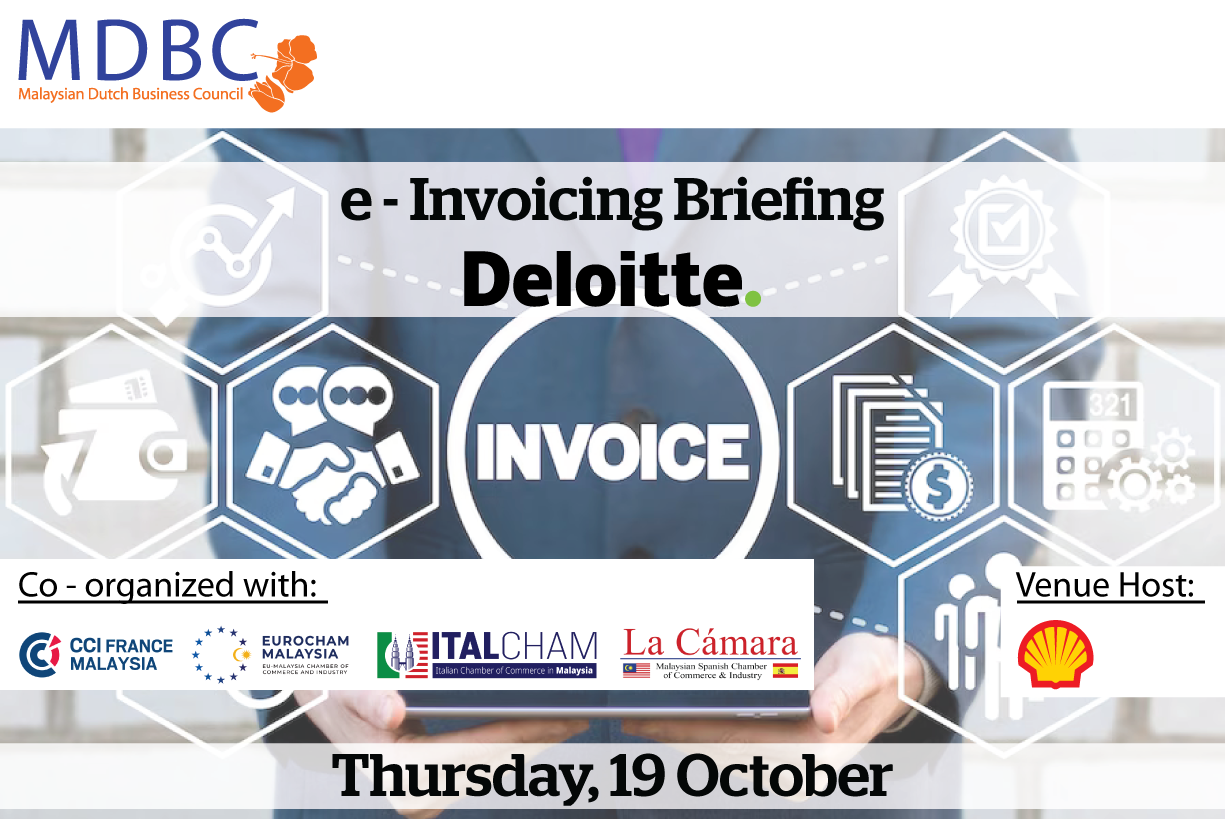
Tax Requirements in Malaysia
When conducting business in Malaysia, it is essential to understand the tax requirements imposed by the Malaysian government. Malaysia operates on a territorial tax system, where income generated within the country is subject to Malaysian tax laws.
The corporate tax rate in Malaysia is 24% for companies with a paid-up capital of more than RM2.5 million and 17% for companies with a paid-up capital of RM2.5 million or less. Additionally, goods and services in Malaysia are subject to a 6% Goods and Services Tax (GST), although this is expected to be replaced by the Sales and Services Tax (SST).
Understanding and complying with these tax regulations is crucial for businesses operating in Malaysia to ensure legal compliance and avoid any potential penalties.
Invoicing Best Practices
Continuing from the tax requirements discussed previously, one crucial aspect for businesses operating in Malaysia is implementing efficient invoicing best practices.
Invoices should include the seller and buyer’s details, a unique invoice number, clear descriptions of goods or services provided, quantity, price, and applicable taxes. Utilizing digital invoicing systems can streamline the process, reduce errors, and ensure compliance with Malaysian regulations.
It’s advisable to send invoices promptly after a transaction and follow up on any outstanding payments promptly. Keeping detailed records of all invoices issued and received is essential for accounting and tax purposes.
Managing Cash Flow Efficiently
To ensure financial stability and growth, businesses in Malaysia must prioritize the efficient management of cash flow. Monitoring cash flow involves tracking the money coming in and going out of the business. By maintaining a healthy cash flow, businesses can meet their financial obligations, seize growth opportunities, and weather unexpected expenses.
Implementing strategies such as setting up cash reserves, negotiating favorable payment terms with suppliers, and closely monitoring expenses can help businesses in Malaysia manage their cash flow more efficiently. Additionally, utilizing digital invoicing and payment systems can streamline the invoicing process, shorten payment cycles, and improve overall cash flow management.
Building Client Relationships
In the realm of business in Malaysia, fostering strong client relationships is essential for sustained growth and success. Building trust and rapport with clients is crucial in ensuring repeat business and positive referrals.
Communication plays a vital role in nurturing these relationships, as listening to clients’ needs and providing tailored solutions demonstrate a commitment to their satisfaction. Showing appreciation through gestures like personalized notes or small tokens of gratitude can further solidify the bond.
Transparency in all dealings and proactive problem-solving also contribute to building a strong foundation of trust. By prioritizing client relationships and understanding their unique requirements, businesses in Malaysia can create long-lasting partnerships that are beneficial for both parties involved.
Streamlining Invoicing Processes
Efficiency is a key component when streamlining invoicing processes in Malaysia. By embracing digital solutions such as cloud-based invoicing platforms, businesses can significantly reduce manual tasks, minimize errors, and accelerate payment cycles.
Automation tools like electronic invoicing systems streamline the generation, delivery, and tracking of invoices, enhancing transparency and accountability in financial transactions. Integrating payment gateways into invoices enables clients to settle bills promptly, fostering smoother cash flow management.
Moreover, standardizing invoicing formats across industries promotes consistency and simplifies reconciliation processes. Embracing these streamlined approaches not only saves time and resources but also cultivates trust and reliability with clients, ultimately contributing to sustainable business growth.
Conclusion
In conclusion, adopting proper invoicing practices in Malaysia is essential for complying with tax requirements, maintaining healthy cash flow, and cultivating strong client relationships.
By adhering to invoicing best practices and streamlining processes, businesses can ensure timely payments and improve overall financial management.
It is crucial for businesses to prioritize invoicing efficiency to remain compliant and sustainable in the competitive Malaysian market.