What is Aromatherapy?
Aromatherapy is an alternative medicine practice that uses extracts from certain plants to improve mood and health. People can inhale essential oils or apply them to the skin in a massage or bath. Research is ongoing but some studies suggest that essential oil inhalation can help relieve stress and anxiety, lower blood pressure and reduce pain.
In some parts of Western Europe, aromatherapy is integrated into mainstream health care as a treatment for infections and other conditions. People who want to use aromatherapy need to consult a certified aromatherapist and follow their instructions carefully to get the most benefit.
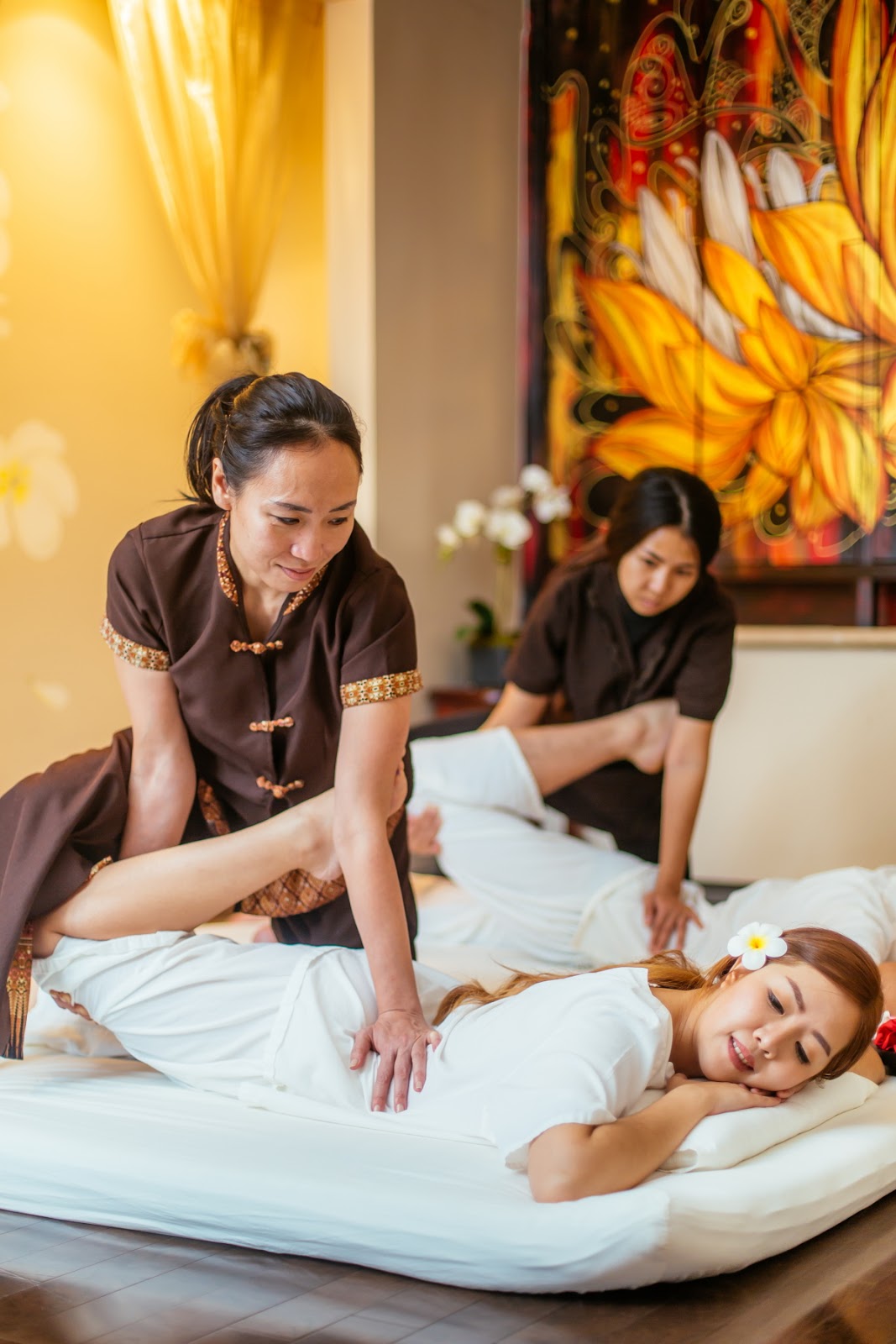
There are many different types of essential oils, which are made by steaming or pressing parts of a plant like flowers, bark, roots and peels to capture the compounds that give it fragrance. It can take several pounds of plant material to produce a bottle of aromatherapy oil. Essential oils are highly concentrated and must be diluted with a carrier oil to avoid irritation, and they should be kept away from light and heat to prevent oxidation.
During inhalation, the molecules of the oil enter the nose and interact with scent receptors, stimulating the olfactory system that connects to the brain. Inhaling a fragrance can help relieve stress and anxiety, lower blood tension, boost the immune system and promote sleep. The scents of some oils have antibacterial, antifungal, antiviral and decongestant properties, while others may boost energy levels or improve focus.
Aromatherapy is most effective when used in combination with other calming activities, such as a warm bath or a short massage KL practice. Essential oils can also be used to add scent to household products, such as candles, soaps, and lotions.

If you want to try aromatherapy, look for a reputable supplier that sells only pure essential oils. Essential oils aren’t regulated by the Food and Drug Administration, so you need to make sure you’re getting quality.
Check the label for information on the botanical name of the oil, its purity and whether it’s distilled or cold-pressed. You should also find out where the oil was grown and how it was harvested. Look for dark-colored bottles that protect the oil from light, which can taint it.
You can buy essential oils online, in some supermarkets and at some natural health stores. Some people put the oils directly on their skin, but it’s important to dilute them first with a carrier oil to avoid allergic reactions. If you are concerned about a reaction, do a patch test.
Some studies have suggested that Urban Bliss Spa aromatherapy can be helpful in relieving symptoms of rheumatoid arthritis (using topical chamomile), cancer (using topical peppermint) and menstrual discomforts, such as PMS or menopause (using lavender). Other studies have found that using an aromatherapy diffuser with eucalyptus oil helps patients prepare for surgery by decreasing anxiety. But the evidence supporting these claims is inconsistent. And most experts agree that more research is needed before essential oils can be recommended as a cure for any illness or condition.…















 Not knowing very well what to write about, I turned to the clinic, to daily work, to the discomfort that is repeated in patients, to the experiences themselves and to the society through which we are traversed, viewed, exponential …
 Alín Salom notes in his article The shame in question: a question of shame: “post – modern society enjoys degrade the subject”. Helen Block Lewis (1971) considers shame as an affect aimed at protecting and maintaining relational emotional ties. For her, shame serves as a sign that the social bond is in danger and that the self must be strengthened to achieve it. In the same vein, the appearance of the disgust and shame are favorable indicators in the children’s clinic, precisely because they facilitate love for others and oneself. Let me explain, although Silvia Bleichmar treats this issue very well, so I will build on her. Modesty is associated with toilet training because that is a defining moment in the delimitation of the inside and the outside, that is, of the representation of their own body, defining the edges of the self to the extent that what is inside is part of me, what remains outside, even if it is part of me, is ugly. Ultimately, it is the recognition of something that has to be hidden before the other . It is something of the order of the body that causes discomfort being displayed.Thus, modesty appears as the source of morality, understood not only as what should not be done, but also as what, by doing it, harms the other. And what is built there is not only the renunciation so as not to be rejected, but the renunciation for the love of the other .